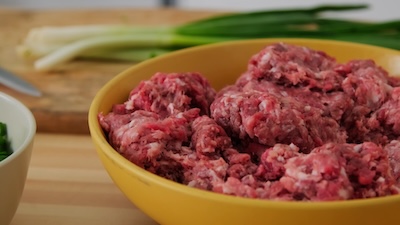
A pound of ground beef now costs about $6.92 on average, according to the latest federal price data. That’s for August 2026, and it’s not likely to get cheaper soon. The good news is that a few simple kitchen tricks can make one pound of beef feed more people without anyone at the table feeling shortchanged.
Here’s why beef costs so much, and how to stretch every pound.
Why beef costs so much
The average price of 100% ground beef reached $6.923 a pound in August, up from $6.885 in July and $6.745 in May, according to Bureau of Labor Statistics figures published by the St. Louis Fed. Steaks and roasts cost even more. USAFacts reports that chuck roast averaged $9.63 a pound in July and sirloin steak $14.59.
The U.S. Department of Agriculture’s Economic Research Service says beef and veal prices were 5.9% higher in August 2026 than a year earlier. It expects them to rise 9.4% for all of 2026.
The main reason is supply. WTTW News in Chicago reports that the U.S. beef cow herd was about 28 million head in July 2026, down from around 32 million in 2020 and near its lowest level since the 1960s. Cattle take years to raise, and drought has driven up feed costs. “The economic incentives have really been favoring decreasing herd sizes,” University of Illinois agricultural economist Brittney Goodrich told WTTW. When asked when that might turn around, she called it “the billion-dollar question.”
So for now, the smart move is to make the beef you buy go further.
The one-cup rule
The University of Saskatchewan’s gardening and food-stretching guide offers a handy starting point: add about one cup of “meat extender” to every pound of ground meat. The guide notes the right amount varies by dish, so adjust to taste.
The best fillers for beef
The Saskatchewan guide sorts good extenders into three groups.
Beans and lentils. Brown lentils are the top pick for beef because their color and texture blend right in. Red lentils work well stirred into a tomato sauce. Chickpeas and other beans also do the job.
Grains. Rice, oats, barley, quinoa, cornmeal, bulgur and millet all work. Most should be cooked first. Oats are the exception and can go in raw, which makes them a natural fit for meatloaf and meatballs.
Vegetables. Grated carrots and zucchini, shredded potatoes and mushrooms all stretch ground beef. Mushrooms are a favorite because they soak up flavor and have a meaty texture.
Tips so nobody notices
The same guide offers some tips for getting it right:
- Match the color. Use darker fillers like brown lentils and mushrooms with beef, and lighter ones with chicken or turkey.
- Cook ahead. Cook grains and beans before adding them, so they don’t throw off the recipe’s timing.
- Build a binder. For meatloaf or burgers, combine one vegetable, one starch and one egg for an even texture.
- Go easy. Stir gently. Overmixing makes the meat tough and dense.
Three easy places to start
Chili or sloppy joes. Brown a pound of beef and add a cup of cooked brown lentils or drained beans with the sauce. In a well-seasoned chili, they disappear.
Meatloaf or meatballs. Mix in a cup of raw oats or a mix of grated carrot and finely chopped mushrooms, plus an egg.
Tacos. Finely chop mushrooms, cook them down until browned, and stir them into the seasoned beef.
Cook it safely
Whatever you add, cook ground beef dishes to an internal temperature of 160°F, the federal safe minimum for ground meats. The only way to know is a food thermometer. Leftovers and casseroles should be reheated to 165°F.
The bottom line
Nobody can control cattle cycles or the weather, but every family can control what happens in its own kitchen. A cup of lentils, oats or mushrooms per pound stretches dinner further, so the same pound of beef feeds more people. With beef prices expected to keep climbing this year, a little kitchen know-how is one of the easiest ways to keep good food on the table for less.